In today’s data-driven world, businesses thrive—or suffer—based on how well they manage their information. A single data breach can have lasting consequences, not just financially, but in terms of trust and customer loyalty.
So, what exactly is Data Governance in the context of MDM, and why does it matter?
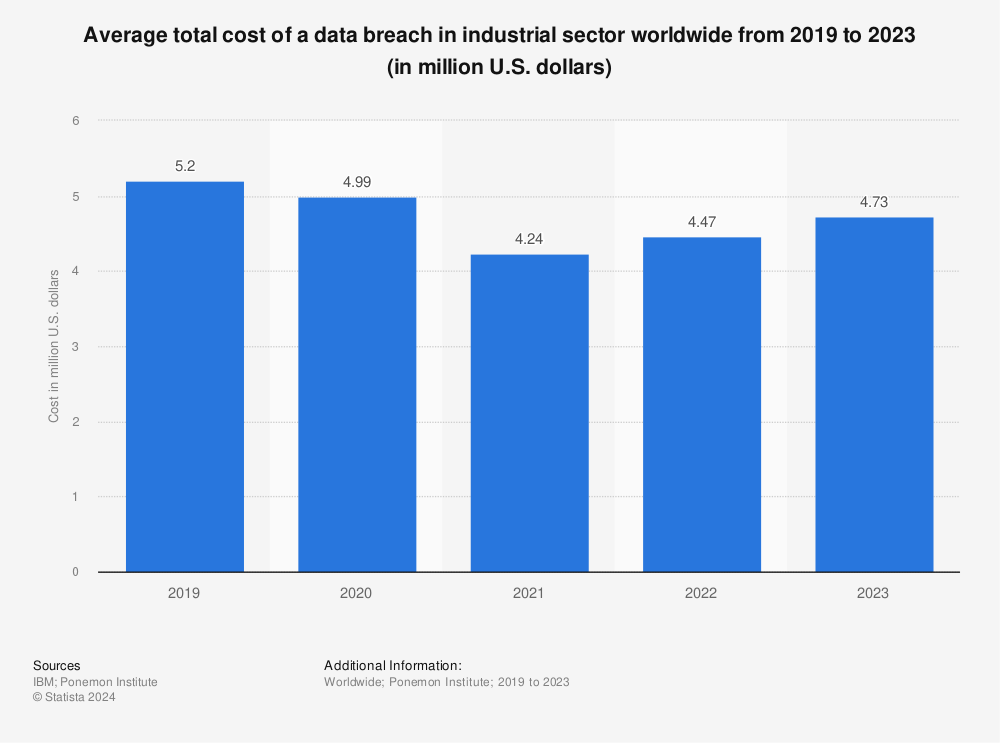
Find more statistics at Statista
What is Data Governance in MDM?
Data Governance refers to the framework of policies, roles, standards, and metrics that ensure master data is accurate, consistent, secure, and used responsibly across the organization.
In an MDM context, this means governing:
-
Who owns the data
-
Who can change it
-
How it's validated
-
How exceptions are handled
-
How lineage is tracked

1. Data Ownership & Stewardship
-
Assigning data owners and stewards to domains like Product, Customer, Supplier.
-
Owners are accountable; stewards are operational.
You can use role based security to enforce attribute level access.
2. Business Rules & Validation
-
Enforcing attribute-level rules: mandatory fields, value formats, referential integrity.
-
Using Validation Rules in MDM Hub to catch issues at staging.
Validation logic need to revisit and reverify to make sure it is working with updated data.
3. Workflow & Approval Processes
-
Automating issue resolution workflows via e360 portal/provisioning tool
-
Stewards can approve, reject, or escalate changes.
4. Audit & Lineage
-
Logging every change: who did what, when, and why. Most of this information will be saved in system column of MDM like (source, source LUD , created by ,updated by)
-
Essential for compliance (GDPR, HIPAA, SOX).
5. Data Quality Metrics
-
Dashboards to track match confidence, duplicate rates, null values, etc.
-
Helps stewards prioritize fixes and spot data decay.
⚠️ What Happens Without Governance?
-
Golden records become unreliable
-
Users lose trust in central MDM
-
Compliance violations go unnoticed
-
Regional teams bypass MDM altogether
MDM without governance is just a glorified database.
Whether you're a developer, architect, or steward, think of governance as the invisible guardrails that protect your data—and your business—from chaos.